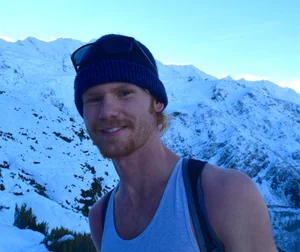
From Ragger to Ridiculed
By Teddy Dondanville
The rumor traveled fast among the Peace Corps volunteers in Peru: a special agent from the Office of Inspector General (OIG) was in-country. To everyone’s dismay, it turned out to be true. One day after the gossip spread, our Country Director summoned all the other volunteers in my cohort from the Ancash department to Peace Corps headquarters in Lima. The agent wanted to speak with us about allegations of drug usage. One by one, my colleagues took the eight-hour bus ride to Peace Corps headquarters in Lima for interviews.
For me, it wasn’t just a bus ride.
I decided I wanted to join the Peace Corps during my undergrad degree. I learned about a program, Master’s International, that combined a typical 27-month service with a master’s degree. I applied to the two institutions in the country that offered a sociology version of the program, and was accepted by Illinois State University.
Luckily, I was a shoo-in. I was bilingual, my resume boasted an honor-roll GPA, and I had impressive letters of recommendation from respected faculty at my undergraduate institution, the University of Colorado Boulder. Most importantly, I had been volunteering since I was thirteen.
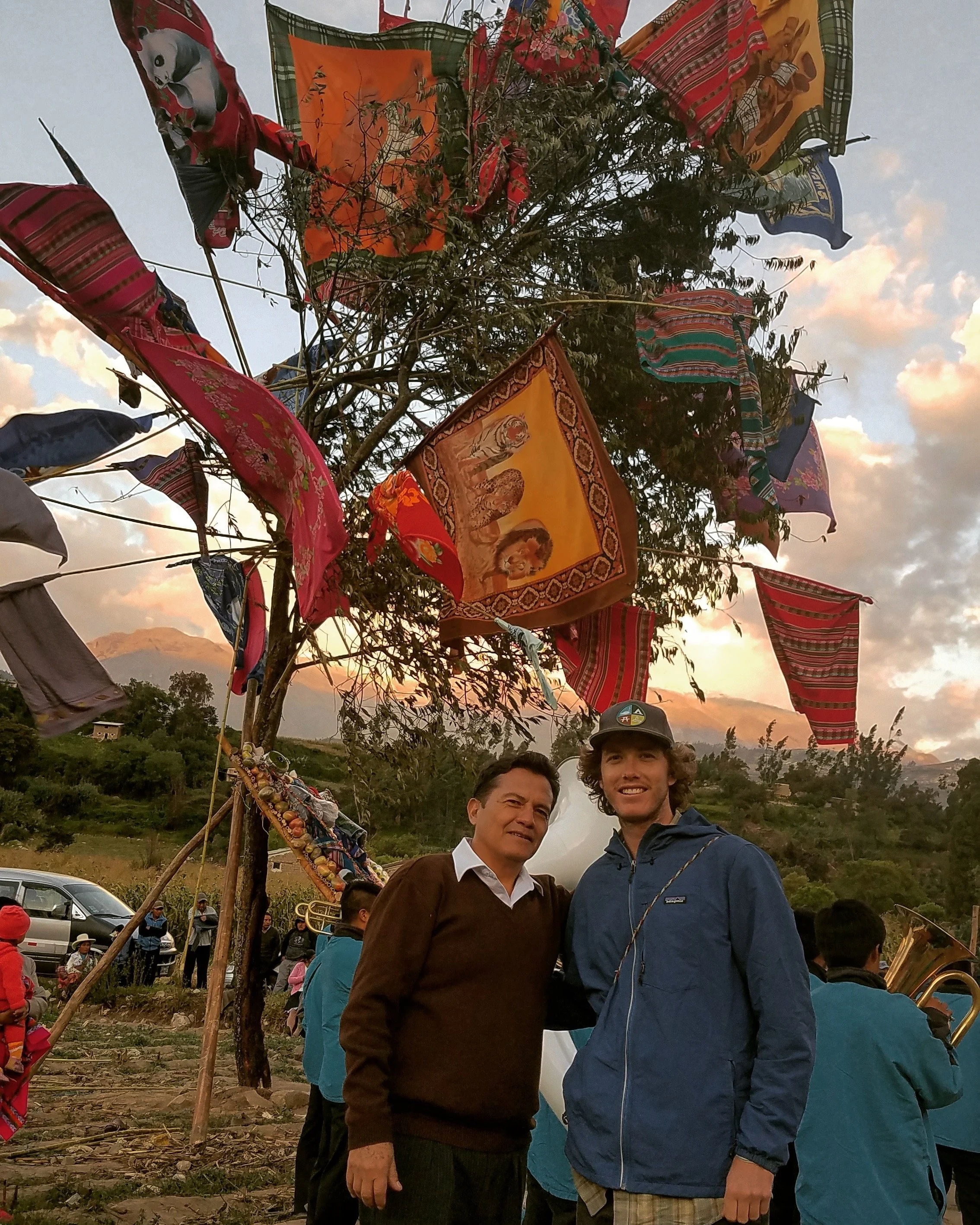
For over a decade, I volunteered every summer at my local YMCA sleep-away camp in California. A major component of YMCA camp is the rag system. At camp, we wear rags, essentially bandanas, that function as outward symbols of inward goals. Each rag is a different color, with a distinct focus and mantra. As you grow up, accomplishing your goals year to year, you advance through the rags, each rag becoming a bit more serious and intentional.
By the end of my thirteen-year tenure at the camp, I was a camp director and had become a purple ragger, one step below the final white rag. For the purple rag, one makes a commitment to high and noble living, whatever that might mean for them. For me, embarking on a multi-year Peace Corps journey was a gateway to the higher, nobler life I was trying to create for myself.
Barely six months before I would close my Peace Corps service and achieve that lifelong goal, the OIG agent arrived in Peru. But unlike my colleagues, I was stateside at the time, visiting my girlfriend, Whitney, in Illinois, where we both attended grad school.
I volunteered to participate in a phone interview. We set a time that inconveniently fell during the drive back to the Chicago airport, where I was to board a plane back to Peru. Before our phone call began, Whitney and I pulled off Highway 57. The phone rang, and I stared off into the corn fields. He picked up, and I quickly realized that I had walked into a trap.
Fear
The interaction was immediately uncomfortable. I was given a Kalkines and Garrity warning, standard operating procedure for government employees participating in an administrative investigation that may turn criminal.
The Kalkines is typical of federal administrative investigations in which criminal prosecution is not expected. It compelled me to answer questions truthfully. Refusing to respond would result in termination. The agent explained that my responses, and any evidence gathered from them, could not be used against me in criminal prosecution. However, the immunity did not cover prosecution for perjury if I knowingly lied.
On the other hand, the Garrity warning explained that my statements could, in fact, be used against me in court but that I was free to refuse to answer questions. Refusal to answer questions would not result in any adverse action against me, such as termination. The two warnings seemed contradictory. I desperately typed them into Google on my cellphone to understand better, but my head spun from the jargon.
After the warnings, he made it clear that he was in the country looking for drug users. I was the first volunteer to be interviewed. The rest of my cohort was still busing to Lima, unaware of what was about to happen.
“I know you did drugs,” he said. “I have a bunch of information about you.”
Then, referring to our conversation, said, “It’s like diving off the high diving board. Just make that initial leap, and it’s gonna go pretty quick. But the fact is, the drugs are rock solid. I know you did them.”
I had a dreadful desire to escape, to hang up the phone and chuck it into the cornfield. But I worried that avoiding the phone call would make matters worse.
I was uncertain about the “bunch of information” he was referring to, so I probed what he knew. He vaguely mentioned “controlled substances” and played a wild card by saying I snorted cocaine. He even mentioned his daughter, and how she smokes marijuana, like it was normal, but that she’d never do cocaine. The day prior, I’d read online about this process and how the agents try to manipulate volunteers.
I tried to stand my ground, “I know you’re allowed to lie,” I told him. “And I know you're allowed to intimidate based on allegations that might not be true.”
The agent responded, “I am allowed to lie, you're right. I am allowed to trick you as well.”
That put me on edge.
Throughout the interview, I chewed on my fingernails and spat them onto the car floor. The agent and I jockied back and forth. I muted the call multiple times to research my rights online. Some old Reddit posts from Peace Corps volunteers in East Africa made it sound like I might be able to avoid the interview if I played my cards right. I was looking for a way out. When he wasn’t focused on me, the agent tried to get me to snitch on other volunteers.
“If people are giving me your name, then you should be giving me their names,” he said.
This was strange. I knew for a fact I was the first volunteer to speak with him. What “people” could he possibly be talking about?
I muted the phone call once again and consulted Whitney. We had been on the phone for an hour, and I was exhausted and terrified of going to jail. I felt certain he was operating on little to no real evidence, aside from some gossip. But I knew what I had been up to.
“I don't know what to do,” I told her. “I think I just need to answer him. And just come home… for smoking weed."
That last part was said almost in disbelief. I grew up in California and studied in Colorado, two of the 24 states that had legalized marijuana. I used it recreationally in daily life, at parties, concerts, and on camping trips in the mountains, and never felt that it impacted my academic or professional life. Frankly, I also never believed it was my employers' business to judge how I spent my free time anyway.
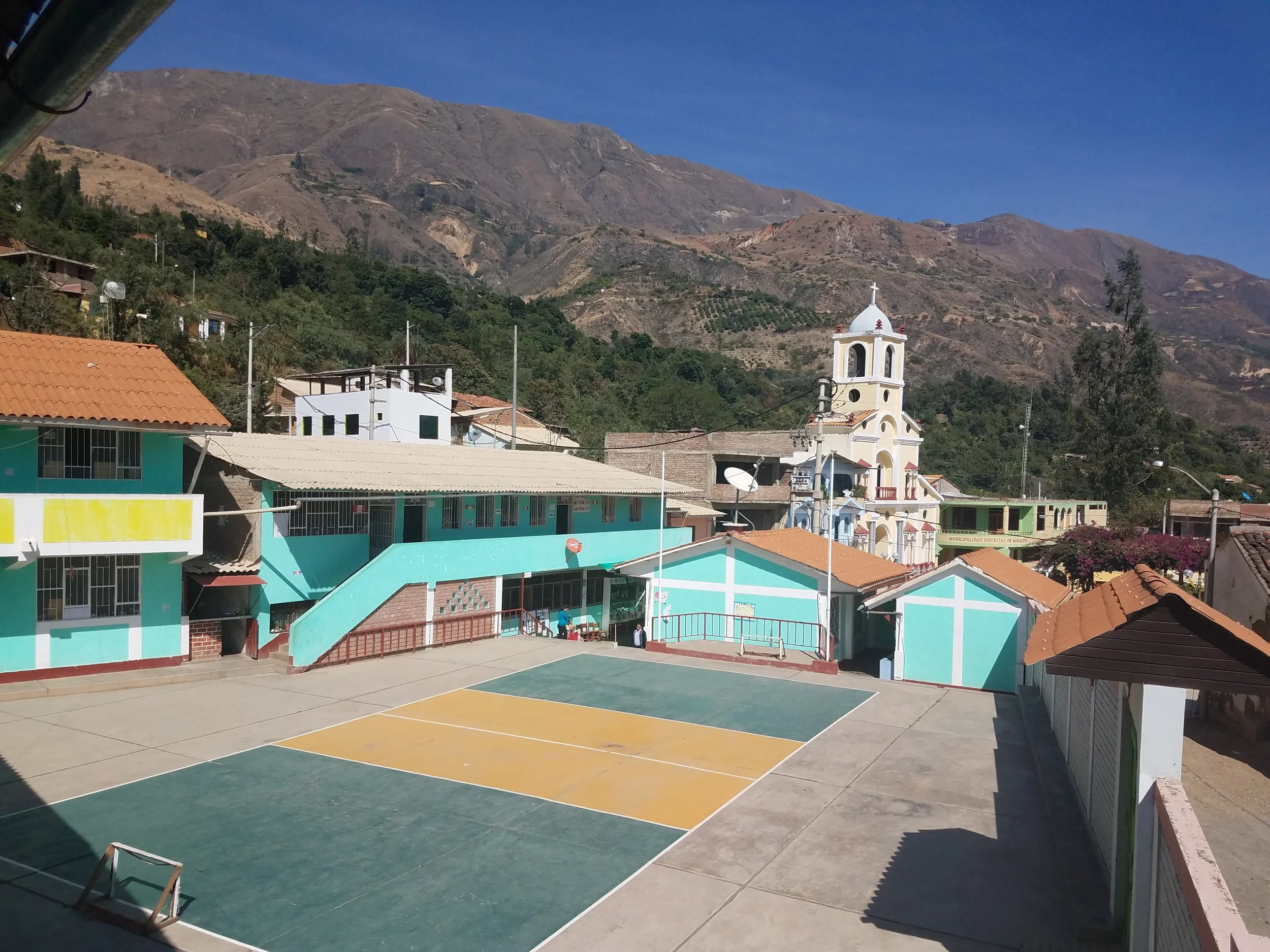
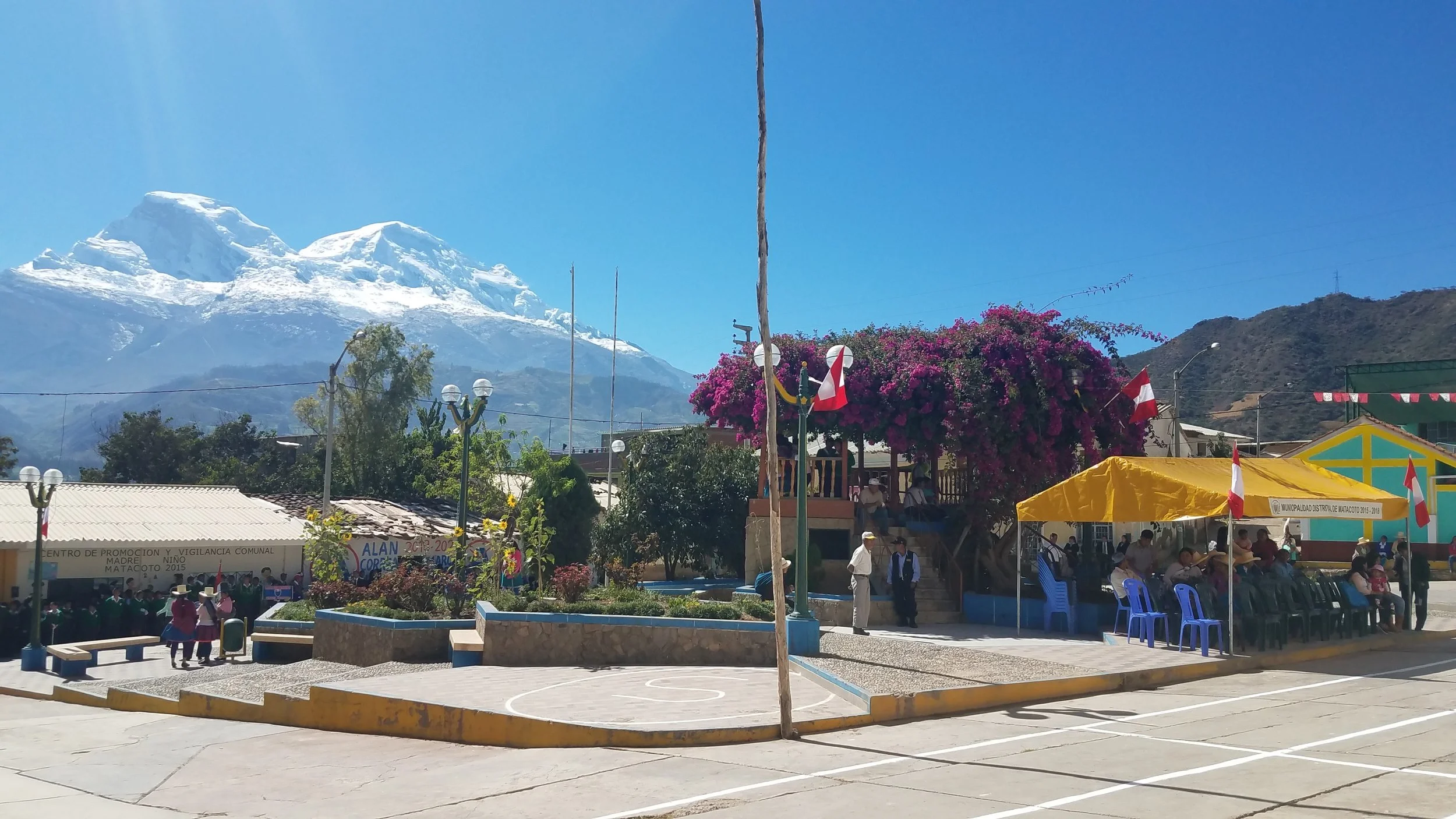
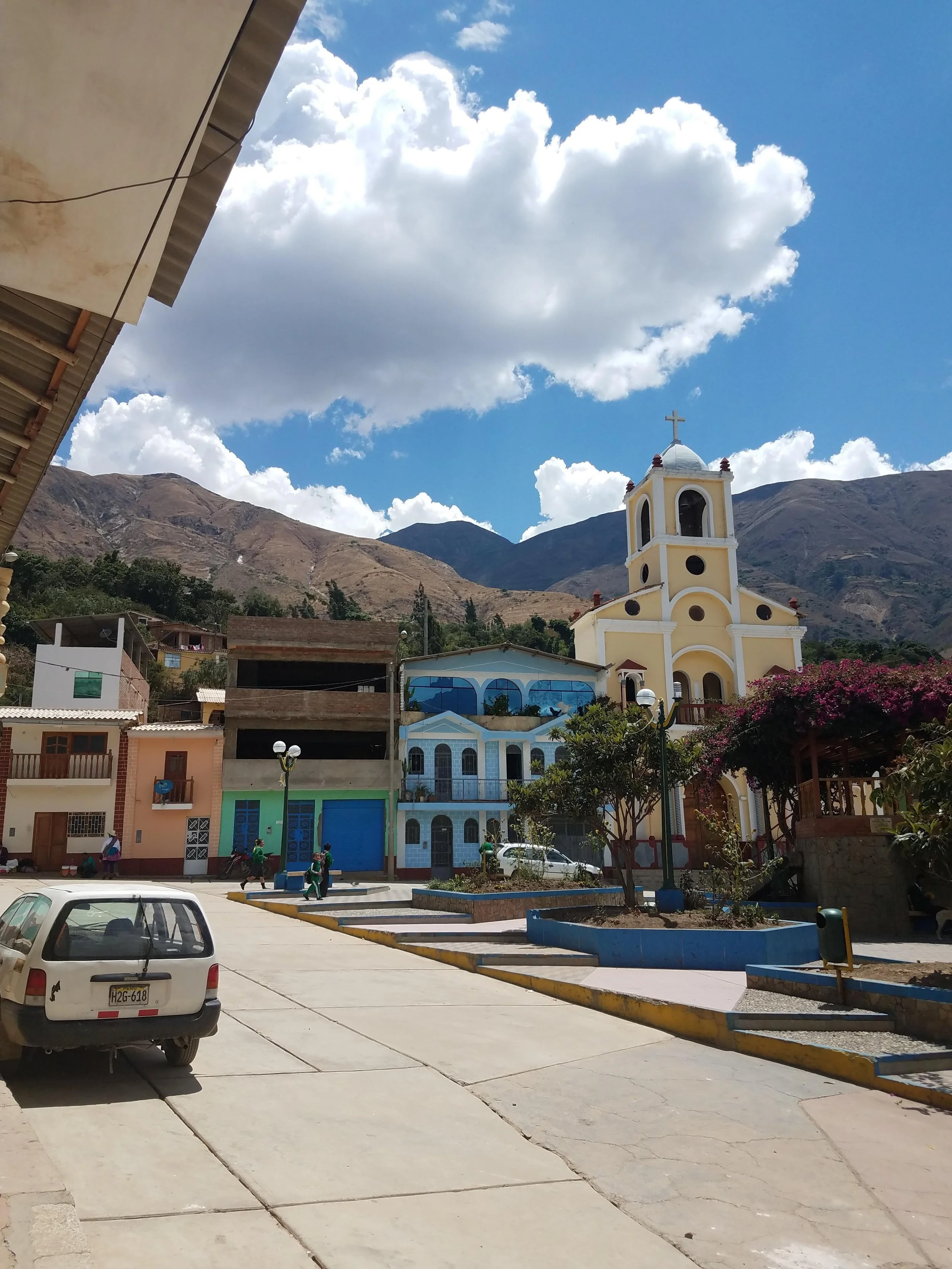
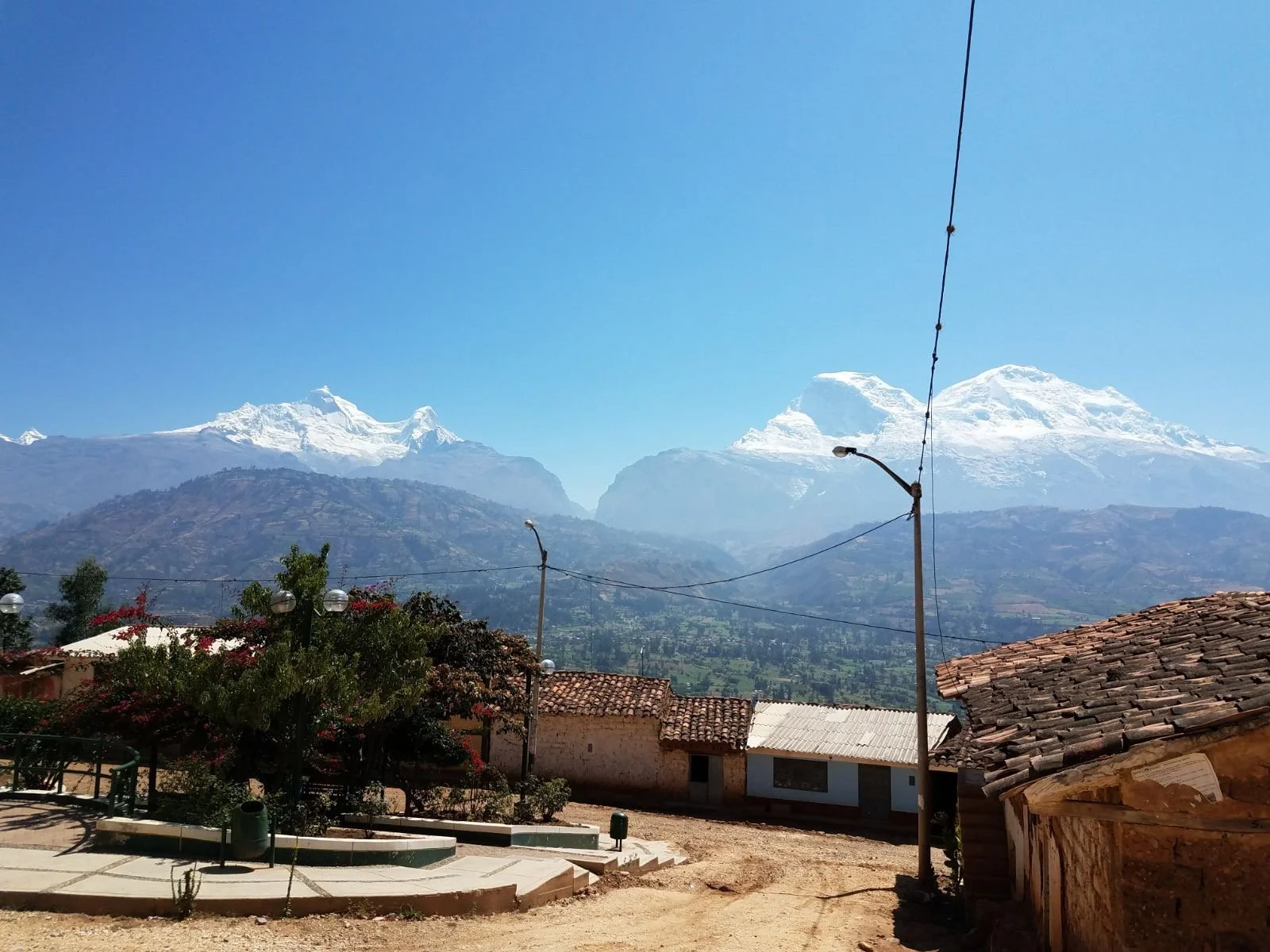
Once I got to Peru, where marijuana had been legalized for medical use and possession of small amounts had been decriminalized since 2017, I learned it was common there, too. For locals in cities like Huaraz, the largest city near my tiny rural community, it was culturally acceptable.
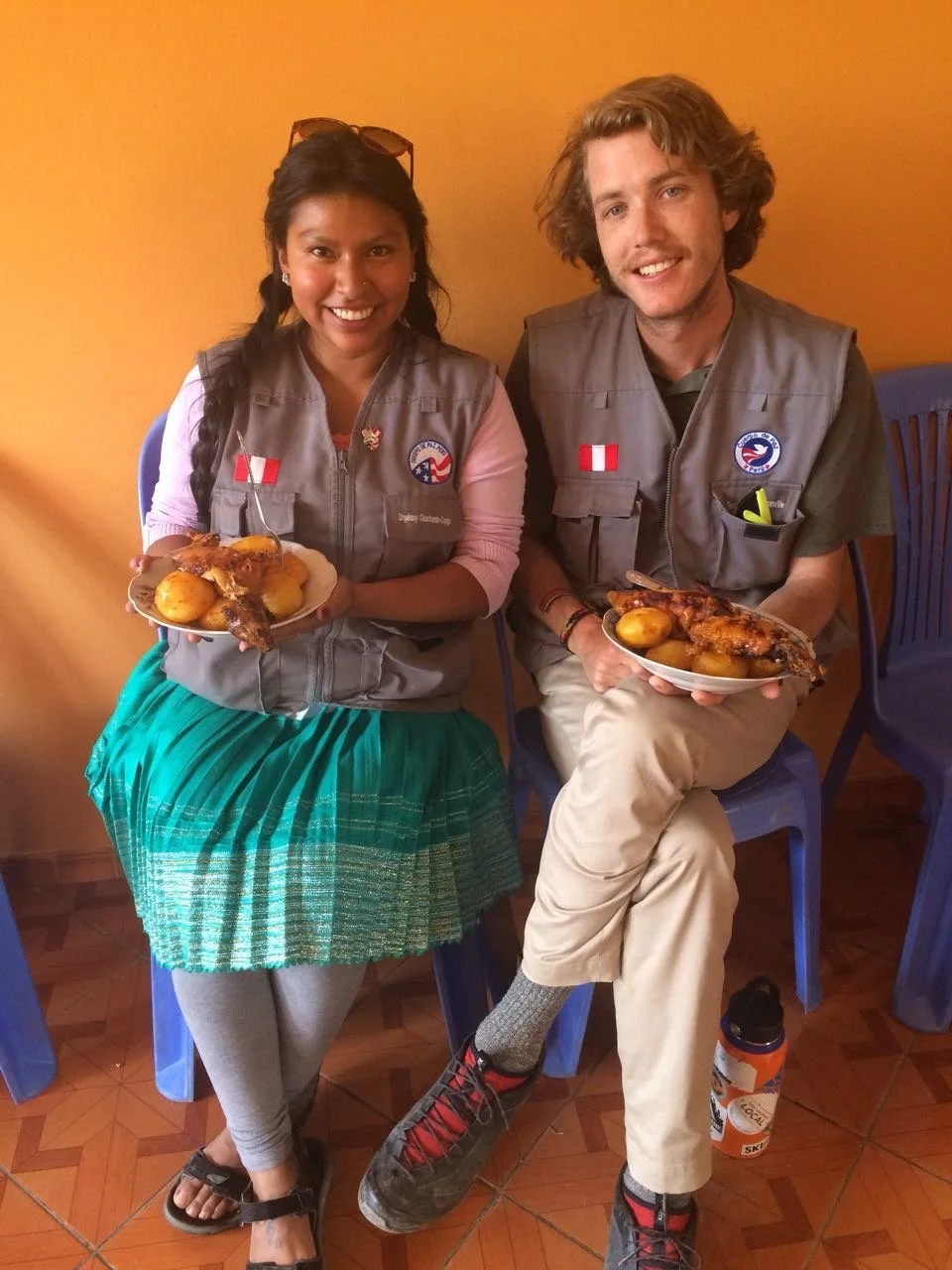
So, as I settled into the country, using weed felt normalized, along with everything else that came with integrating into my host community. I loved living in the Andes and felt infatuated by the local culture and language. By the end of it, my mouth watered when the smell of roasting cuy (guinea pig) wafted into my nostrils. In the month leading up to the phone call, I felt at the peak of my service. Other volunteers were burnt out and relishing the idea of being stateside, but I would have happily extended my service.
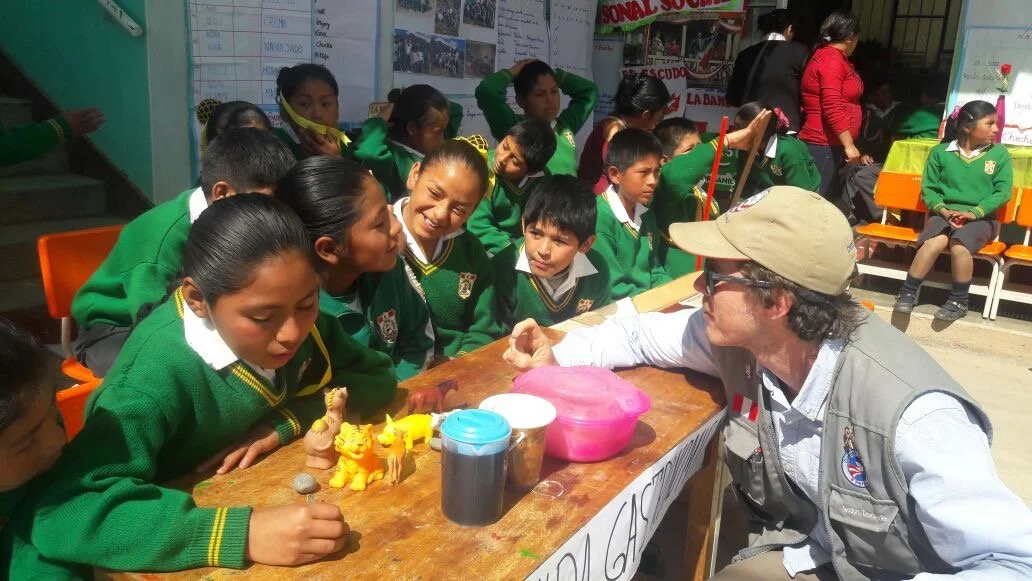
I never felt that my recreational usage affected my volunteer work. Plus, throughout my first year of service, I successfully conducted my master’s research independently of my volunteer work. I graduated while abroad, and the research I conducted was published in a peer-reviewed academic journal. I also never partook at my program site. Like all volunteers, I believed in keeping my work and private life separate. And for good reason, because many partook. It’s the Peace Corps, for God’s sake. But here it was, my decision to smoke weed coming back to haunt me.
I finally forced the words out of my mouth: “Okay,” I said. “I smoked marijuana.”
Stigma
It felt like all the air had been pumped from my lungs. It was excruciating. Buried deep beneath my resentment for him, personally, and a naive frustration with authority figures in general, there was relief.
After he received my confession, he became almost paternal. “You made the wise choice,” he assured me. “It doesn't feel like it to you right now, but you really did.”
Then, he stepped back onto his soapbox to deliver his closing remarks, like a protagonist in the final scene of a movie, right after they solve the big mystery and before locking up the bad guy.
“I had real information. God's honest truth,” he said. “You know what? We're not flying down from Washington, D.C. if we don't already know the answer. Everything I told you is the way it is. [...] I've been doing this shit for 32 years. I don't really go on fishing trips, so to speak, flying into a country with zero information and hoping to catch something.”
He told me I would not be returning to Peru and that the Country Director would be in touch to tell me herself.
“Okay, be safe, bye,” he said and hung up the phone.
I was bewildered. “Holy shit,” I groaned out loud in the car.
Not knowing what was best to do, Whitney and I finished the drive to the airport, and I boarded my first plane. “At least I could collect my belongings and say goodbye,” I thought. By the time I was in Panama for a connecting flight, I was in contact with the Country Director. The following morning, when I landed in Peru, I reported to the office in Lima. The front desk staff looked at me like damaged goods and sent me in to see the Director. She was new, and this was the first time we’d met one-on-one. When she started her post, there was a noticeable shift in leadership style compared to the previous Director, whom we adored. The overall drug investigation felt like her first big maneuver to clean house and plant her flag.
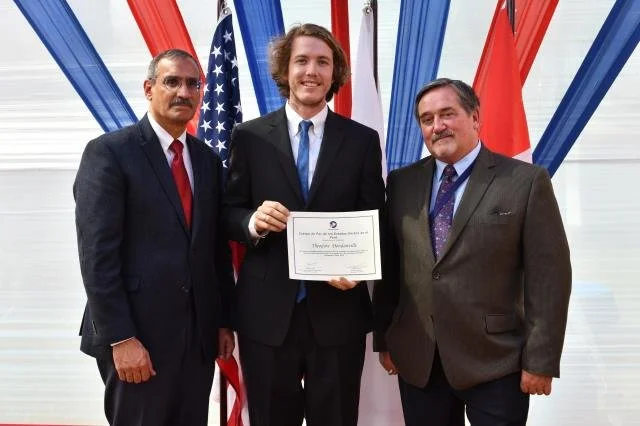
She told me I was in violation of the Peace Corps drug policy, and that I had two choices: they could administratively separate me, or I could choose to early-terminate, a more noble ending, like a samurai falling on his sword. I terminated my service with a swipe of the pen. I was gutted, and tears dribbled onto the paperwork.
I could not return to my site to pack bags. Worse, I could not explain to my host family or Peruvian colleagues that I would be leaving. Instead, the Peace Corps booked me a return flight to the U.S. the same night, and Peace Corps security escorted me through the airport to ensure I didn’t run away. I was extradited from the country like a criminal.
Twenty-four hours after my interview, 19 other volunteers were interviewed by the same agent who had interrogated me. Fortunately, before they could be isolated, they gathered in Lima. Over the phone, I warned them what to expect.
After all was said and done, I was the only volunteer sent home. Everyone else returned to their sites. What other volunteers said, I don’t know, but I assume they denied his accusations. The agent did not pursue anyone further, which led me to believe he didn’t have any hard evidence to send anyone home. He was sent on a hunch and banked his investigation on getting confessions.
Shame
Stateside, I fell into a depression. Becoming a Peace Corps volunteer was the pinnacle of my service work. I felt shame and embarrassment about early-terminating, especially for just smoking weed.
When I signed up to volunteer, I had read the paperwork and was aware of the drug policy. Marijuana was on there, but it never registered on my radar. And nowhere in the process was I warned about how the Peace Corps facilitates drug investigations, nor how things would be handled if I were caught violating the policy.
There was no official Peace Corps exit strategy that took my community into account. The focus was entirely on punishing me. When I couldn’t return to my community to notify my host-country colleagues, they became worried about me. Leaving like that wasn’t just hard on me, it forced me to violate the trust I had built with others while living there. It was the antithesis of the sustainable development they trained us to value.
The way the termination was handled felt brutish, but also aligned with the United States government’s archaic attitude toward marijuana. Today, in 2026, marijuana is still a Schedule I drug, even though 40 of 50 U.S. states have legalized it in some capacity. Despite its benign recreational status and scientifically-proven medicinal value, the federal government and its agencies, like the Peace Corps, still equate the drug with other Schedule I counterparts, like heroin and meth.
Due to the Peace Corps being a federal entity, its reports will have you believe that drug use is a serious problem among volunteers. And Peace Corps staff will ridicule you as such. But according to a “Management Advisory Report” from 2018, the OIG reports that only seven volunteers were arrested by host country law enforcement for serious drug offenses, like trafficking, between 2015 and 2018. At least one volunteer has actually died from drug use. This is unfortunate, but not the norm.
The majority of instances of drug usage uncovered by the OIG, 68% of cases since 2015, are mere marijuana possession and personal usage. A “Recurring Issues Report” from the OIG in 2020 further validates this, noting that the majority of drug offenses by Peace Corps volunteers are for simple possession or use. (My own usage and posession, under Peruvian penal code, would have been completely decriminalized.)
The above reports, all of which are synthesized into the OIG’s “Semiannual Report to Congress,” report significantly more investigations for sexual offenses, fraud, and theft. In the “Recurring Issues Report” from 2020, there were 54 sexual offense investigations. Between 2015 and 2018, there were 40 cases of sexual assault (including rape), 93 cases of theft, and 31 cases involving alleged sexual contact with a minor. Mismanagement and waste of government funding also rank high on the list of problems.
In the most recent Semiannual Report to Congress from 2025, drug investigations didn't even appear. I doubt Peace Corps volunteers stopped using drugs, especially marijuana. Instead, I assume the drug allegations just didn’t ping the OIG's radar. Unfortunately, the investigation unit continued to report significant investigations of criminal and administrative misconduct, physical assault, and sexual misconduct.
Knowing this now, I feel even more that my treatment was misaligned with the cultural norms and legislation of my host country. And in my opinion, it was mistargeted, given the far more reprehensible behavior that the Peace Corps was dealing with during my service, and continues to struggle with to this day.
Pride
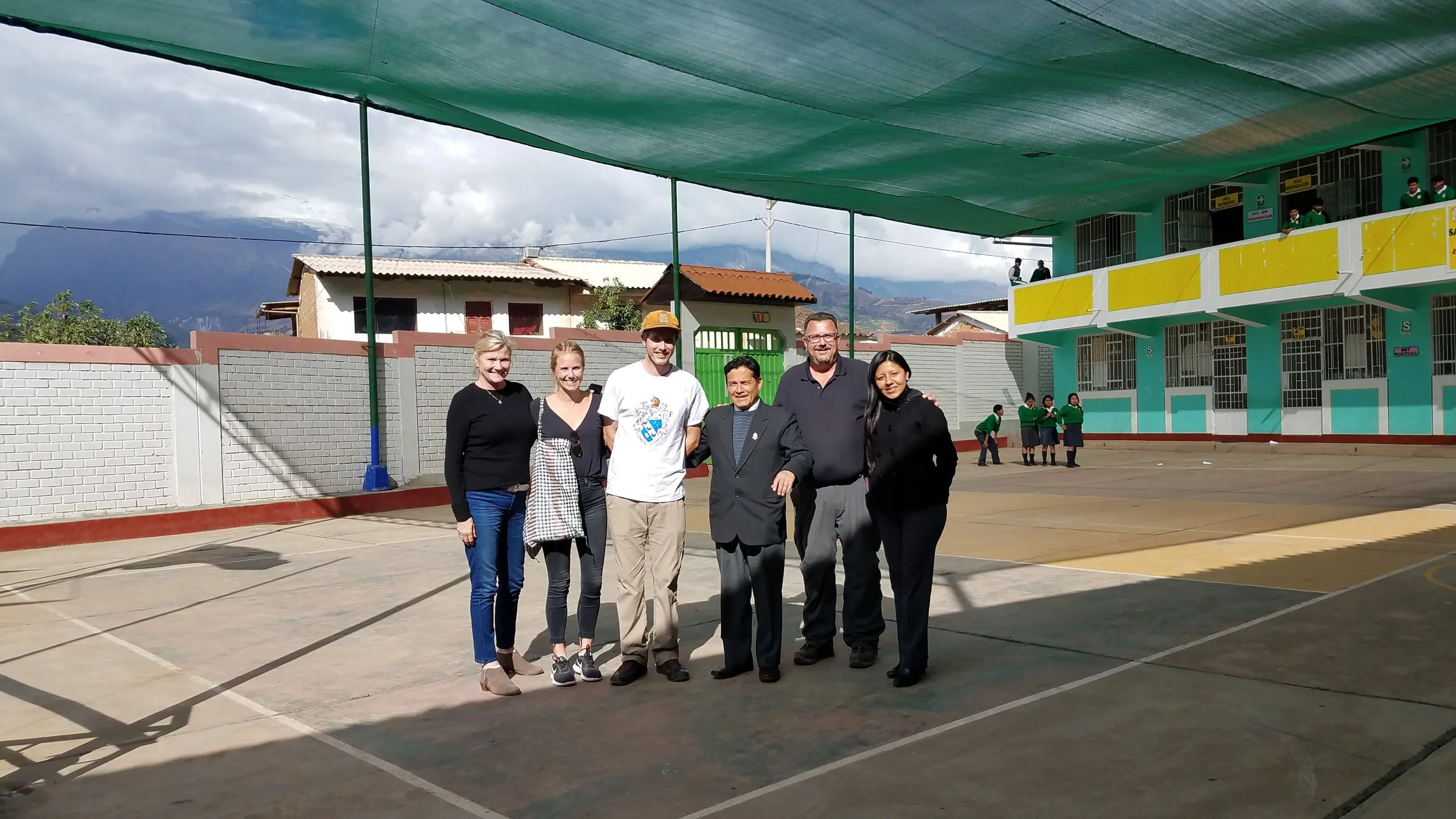
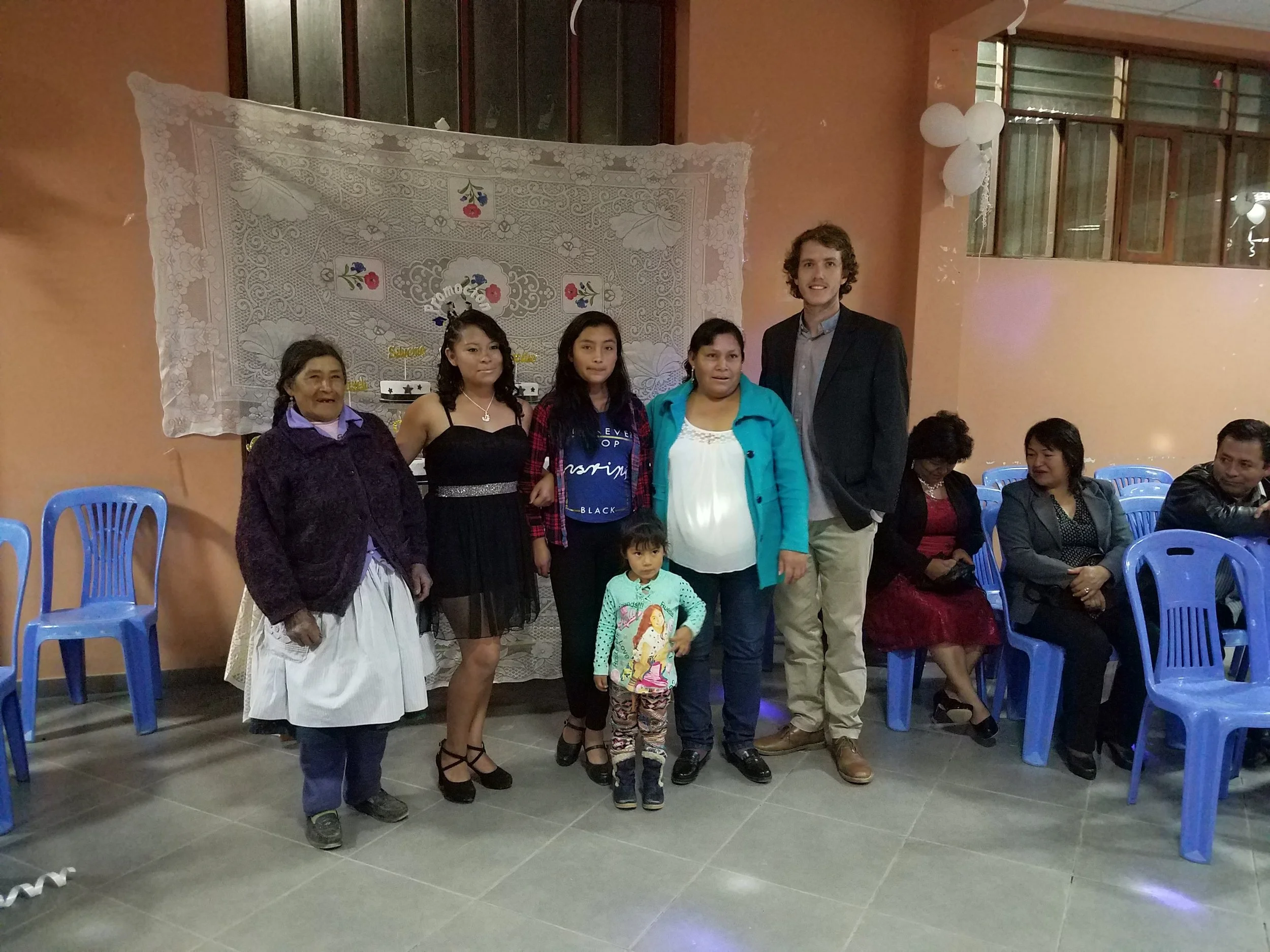
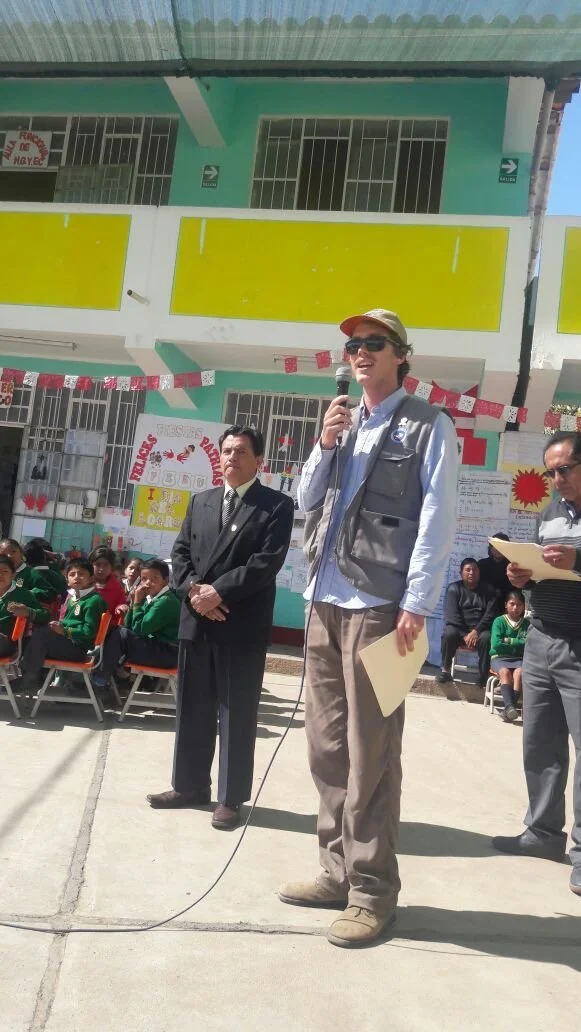
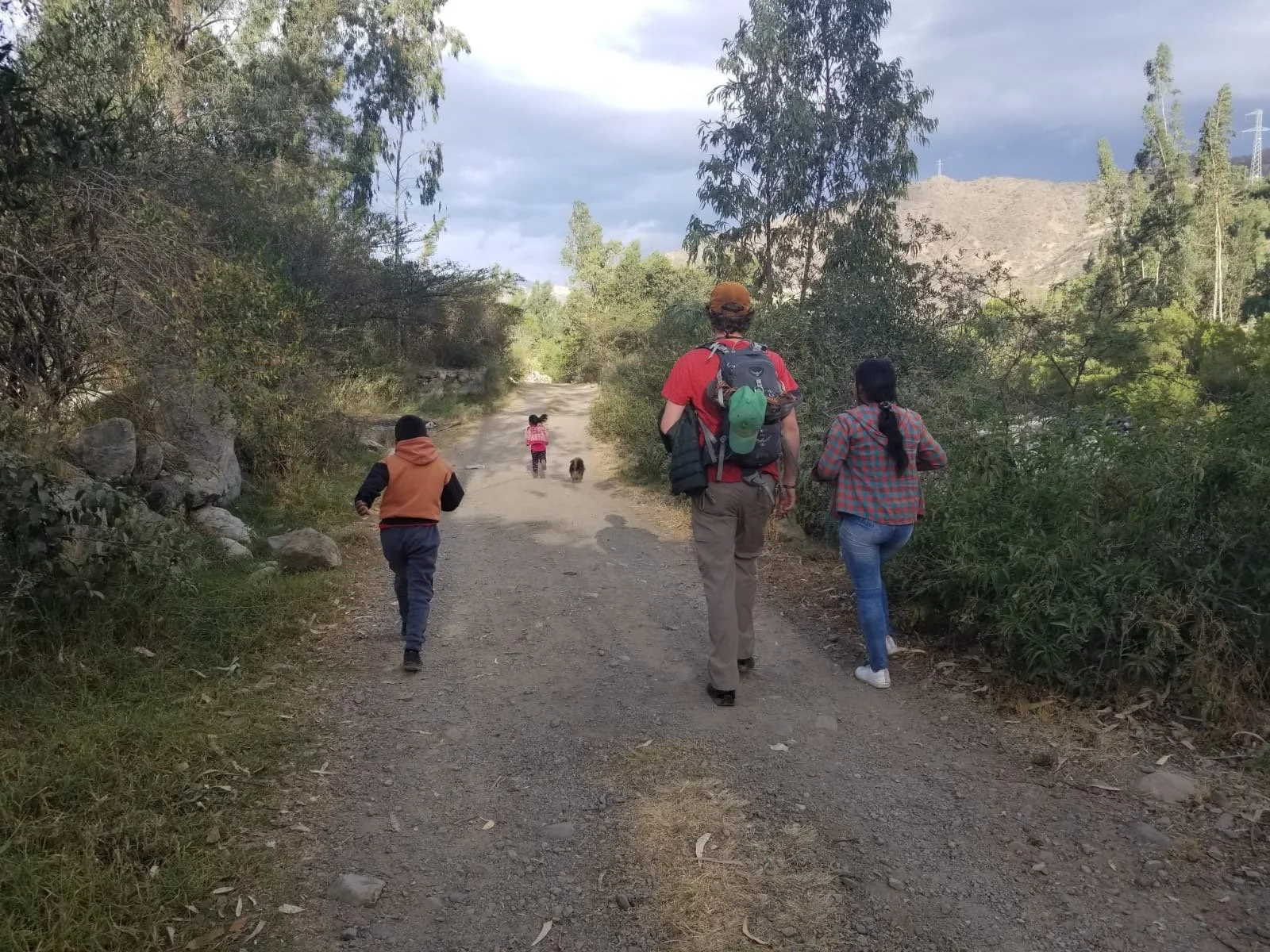
The end of my service was embarrassing. But over time, I tried to take responsibility for my actions. Unbeknownst to the Peace Corps, I booked a return flight to Peru one month after early-terminating my service. I prepared a formal resignation and presented it to both the school where I worked and the local mayor’s office. I then went to say goodbye to my host family, students, and colleagues.
Revisiting my community to say goodbye helped me rediscover the pride I once felt about being a Peace Corps volunteer. I began to realize that the lessons I expected to learn as a purple ragger weren’t intertwined with becoming a Peace Corps volunteer and successfully closing my service the typical way. The unexpected ending to my service–the result of telling the truth, taking responsibility, and destroying a lifelong goal–was a high and noble learning experience I never asked for, but am nonetheless proud I endured.
Above all else, revisiting Peru as a civilian rather than as a volunteer showed me that the relationships I’d built still existed. To this day, they still do. My eldest host sister, Micaela, and I stay in touch with big updates on WhatsApp. I sent her photos when I married Whitney in 2024. A few months ago, I got photos from my host mom’s fiftieth birthday party and from when two of the younger siblings graduated from high school.
“Espero que vengas a la casa pronto,” Micaela recently wrote over text. “Nosotros también te extrañamos. Mamá te prepara tu comida favorita.” (I hope you come home soon. We miss you too. Mom will make your favorite food.)
Teddy Dondanville is a freelance writer focused on the outdoor industry and adventure sports. When not enjoying the cerebral and caffeine-fueled pursuits of writing, he works as a rock climbing guide in upstate New York. You can learn more about Teddy on his website.